Enroll Now

Contact Form

CMS : For Your Growth in Education

CEC + CUET

An integrated course merging CEC (Civics, Economics, and Commerce) with CUET (Common University Entrance Test) preparation offers a comprehensive education blending social sciences with academic aptitude. Students delve into subjects like civics, economics, and commerce alongside intensive training in reasoning, English language, and general awareness relevant to CUET. This interdisciplinary approach equips graduates with a diverse skill set suitable for pursuing undergraduate programs in various disciplines offered by central universities across India. Successful completion of CUET alongside CEC studies provides access to prestigious central universities and diverse academic pathways. The integrated curriculum fosters critical thinking, analytical skills, and academic excellence essential for success in higher education and beyond.


Complete Information about CUET-UG Course

  1. List of Top 10 Universities Participating

These are among prominent central / participating universities often ranked high, accepting CUET-UG scores. (Based on “Top 10 Govt Universities in India accepting CUET Scores 2025” etc.)

Here are 10 (no particular order) key universities:

No.

University

1

Banaras Hindu University (BHU) (

2

Jawaharlal Nehru University (JNU), Delhi

3

University of Delhi (DU)

4

Aligarh Muslim University (AMU)

5

Central University of South Bihar

6

Central University of Tamil Nadu

7

Assam University

8

Babasaheb Bhimrao Ambedkar University (BBAU), Lucknow

9

Central University of Gujarat

10

Amity University (various campuses)


Note: “Top” may vary by course, cut-off, facilities. Also many state/private universities accept CUET; some may have higher prestige in specific fields.

  1. Qualification Required
  • Candidate must have passed Class 12 (10+2) or equivalent from a recognised Board.
  • Candidates appearing in Class 12 in the year of exam are also eligible to apply (provisional) provided they pass by time of admission.
  • Minimum marks in the qualifying exam may be prescribed by specific universities for their courses. The CUET Information Bulletin doesn’t always impose a single central % for all courses beyond passing 10+2.
  1. Who Can Write?
  • Any student who has passed (or is appearing in) the Class 12 / equivalent exam as above.
  • There is no age limit specified in the CUET-UG 2025 Information Bulletin.
  • Must satisfy university-/course-specific subject eligibility (if a course requires certain subject in 12th, etc.). Eg: If applying for Economics Honours, some universities require Mathematics/Applied Mathematics at 12th.
  1. How to Register?
  • Registration is online via the CUET (UG) portal of NTA: cuet.nta.nic.in
  • Steps:
    1. Fill form with personal, academic details.
    2. Choose Subjects: Languages / Domain‐specific / General Aptitude as required for desired course.
    3. Upload required documents: Photo, signature, Class 12 mark-sheet or pending result certificate, identity proof.
    4. Pay registration/application fee online.
    5. Submit & download confirmation page / admit card when released.
  • Also there is sometimes a “correction window” to correct minor errors in form after submission.
  1. Registration / Application Fee

As per CUET(UG)-2025:

Category

Fee for up to 3 Subjects

Fee for each Additional Subject

General (Unreserved)

₹ 1000

₹ 400 each additional subject

OBC-NCL / EWS

₹ 900

₹ 375 each additional subject

SC / ST / PWBD / Third Gender

₹ 800

₹ 350 each additional subject

Centres outside India

₹ 4500

₹ 1800 each additional subject

  • Candidates may choose up to 5 subject test papers etc. Fee depends on how many subjects they choose.
  1. Coaching Type

(Coaching is not officially part of CUET scheme; this is what is available in general.)

  • Private coaching institutes (classroom) for CUET preparation: domain-subjects, languages, test pattern etc.
  • Online coaching / video lectures, test series, mock tests.
  • Self-study using NTA’s Information Bulletin, Syllabus, Sample / previous years’ papers. NTA publishes sample papers / subject list.
  1. Examination Structure / Pattern

From CUET(UG) 2025 Bulletin:

  • Mode: Computer-Based Test (CBT) only.
  • Type: Multiple Choice Questions (MCQs).
  • Number of questions per test paper: 50 MCQs. All compulsory.
  • Duration: 60 minutes per test paper.
  • Negative marking: -1 mark for each wrong answer. Correct answer +5.
  • Multiple shifts may be used for some papers depending on number of candidates.
  1. Subjects to be elected for BBA, BA (Economics), B.Com

Here are typical combinations / subject choices required or commonly selected under CUET-UG for these three courses. Note: Actual eligibility combinations may vary by university. Always check university’s specific “Program Specific Eligibility” in Information Bulletin / BOI.

Course

Typical Subject Requirements in CUET

BBA (Business Administration)

Usually: General Aptitude Test, one or more Domain-Specific Subjects such as Business Studies, Economics, Accountancy or Mathematics/Applied Mathematics. Plus one language from the language section. Eg: Language + GAT + 2 domain-subjects.

BA (Economics)

Usually requires: Mathematics/Applied Mathematics as domain subject (or some universities require this), Economics domain test, plus Language(s). Eg: Language + Economics + Mathematics + maybe GAT.

B.Com / B.Com (Hons.)

Usually: Languages + Domain subjects like Accountancy, Business Studies, Economics, possibly Mathematics. Plus GAT in many cases. Eg: Language + Accountancy + Business Studies + maybe Economics.

  • Universities may specify which exact subject(s) from the CUET domain list must be chosen. Sometimes Accountancy / Business Studies is a specific paper; sometimes Economics & Mathematics are made essential. Eg: Delhi University for B.Com (H) often asks for Accountancy / Business Studies etc.
  1. Exam Qualifications (Passing / Score Validity etc.)
  • You have to take the relevant CUET test papers (languages, domain-subjects, general test) as per the program’s eligibility. If you miss a required subject, admission can be disallowed by the university.
  • There is no re-evaluation / re-checking of the CUET(UG) result after final answer key is declared.
  • Score / “NTA Score” (normalized score) is used in case exams for a subject are in multiple shifts.
  • CUET score is valid only for admission for the academic year for which the exam is conducted. Eg: CUET-UG 2025 score valid for admission 2025-26.
  1. Other Important Details
  • No age limit for CUET-UG 2025.
  • If you have subjects in Class 12 not exactly matching with CUET Domain subject, universities may allow “similar or closely related” subject provided about ≈50% of syllabus overlaps. Eg: Biochemistry vs Biology etc.
  • Admit cards are released ahead of exam dates on NTA website; candidates must download.
  • Recorded responses and question paper attempted are displayed for candidates for a period before result declaration for transparency.
  • Marks / responses once final are binding; no challenge after final key.
  • Admissions: Clearing CUET is required but not alone sufficient. You must meet other eligibility criteria (minimum marks in 12th, subject‐specific requirements, or university’s additional criteria).
  • Reservation norms, seat quotas etc follow rules laid by participant universities and government policies. Eg: SC, ST, OBC, EWS, PWBD categories.


  1. Key Things to Check / Decide Before Filling CUET Form
  • Which university / college you want. Then check its “CUET Subject Mapping / Programme Eligibility” document. Universities often publish which CUET papers are “Core Papers / Qualifying Papers” for each course. E.g. UoH publishes for each course (like BBA, Economics, etc.).
  • Mandatory language / qualifying papers for that university. E.g. English is commonly required; some languages if they want those language skills.
  • How many domain subjects the university expects (2? 3?). Don’t pick fewer than required.
  • Specializations: If you want specialization (e.g. Business Analytics, Finance), check if they need Maths in 10+2.
  • Minimum % in 10+2: Some central universities or prestigious colleges require 60% or more in 10+2. Others may work with lower.
  • Reservation / category rules.

CUET (Common University Entrance Test), conducted by the NTA, has become the unified entrance exam for undergraduate programs in central, state, deemed, and private universities across India. Below is a comprehensive overview of its acceptance, required percentage cutoffs, courses offered, and the subject combinations necessary for eligibility.

Universities Accepting CUET Scores

Central Universities (over 45)

  • Top examples: University of Delhi (DU), Jawaharlal Nehru University (JNU), Banaras Hindu University (BHU), Jamia Millia Islamia (JMI), Aligarh Muslim University (AMU), University of Allahabad, Central University of Gujarat, Central University of Kerala, Central University of Rajasthan, Central University of Punjab, and more.
  • Complete central list: Each year, the official NTA CUET portal lists over 45 central universities.

State Universities (over 100)

  • Examples: Delhi Technological University, Dr. A.P.J. Abdul Kalam Technical University (AKTU), Harcourt Butler Technical University, Tezpur University, Ambedkar University Delhi, Punjab University, and many others spanning almost every state.

Deemed and Private Universities

  • Examples: Tata Institute of Social Sciences (TISS), BML Munjal University, Bennett University, Galgotias University, O.P. Jindal Global University, SRM Institute of Science & Technology, Chandigarh University, Amity University, K.R. Mangalam University, Lloyd Law College, and many more.
  • Total Participation: In 2025, the number of participating universities exceeded 280, and is expected to approach 300.

Expected Cutoff Percentages

  • Top central universities (DU, BHU, JNU, JMI): Cutoffs for premier courses range between 98% and 99.5% (or top 1-2 percentile, equivalent to 200+ out of 200 on the CUET score).
  • Mid-range universities (Hyderabad University, AMU, state universities): Cutoffs typically range from 85%–95%.
  • Other state/private universities:Ranges from 70%–90% depending on course and competition.
  • Admission is course-specific and may vary by college and category (GEN, OBC, SC/ST, EWS, PwD).

 Types of Courses Offered via CUET

  • Science: B.Sc. (Physics, Chemistry, Maths, Biology, Computer Science, Life Sciences, Environmental Science, Microbiology, Biotechnology, Statistics)
  • Commerce:B.Com (Hons & Prog), Accounting & Taxation, BBA, BMS, BBM, Bachelor of Financial Investment Analysis (BBA-FIA)
  • Arts & Humanities: B.A. (Hons) in English, Hindi, Political Science, Economics, History, Sociology, Geography, Psychology, Philosophy, Journalism, Performing/Fine Arts
  • Professional:B.Tech (in select universities), BCA, B.Voc, Bachelor of Design, Bachelor of Social Work, BFA, BPA (Performing Arts), B.El.Ed (Elementary Ed), BA LLB (Law), BBA LLB
  • Integrated & Vocational: Integrated B.Sc.-M.Sc., B.Voc. in various specializations.

Required Subject Combinations

  • Applicants must select subjects in CUET that align with the intended course. For popular combinations:
    • B.Sc. (Hons) Physics/Maths: Physics and Mathematics
    • B.Sc. (Hons) Chemistry/Biology: Chemistry and Biology
    • B.Com (Hons): Mathematics or Accountancy/Business Studies; some universities require Maths, others accept Commerce subjects.
    • B.A. (Hons) Economics: Mathematics is often compulsory
    • Humanities (English, Political Science, History, etc): Any language plus relevant humanities subject(s)
    • Professional (BBA, BMS): General Test + Mathematics/Business Studies (depends on university)
  • Elective subject choice is crucial: Students must consult each university’s official CUET prospectus, as subject requirements for programs differ by campus.

Additional Notes

  • Reservation & Category-specific variations: Percentile cutoffs may be lower for reserved categories as per government norms.
  • Subject matching: Selecting incorrect/different subjects reduces selection chances even with a high CUET score.
  • Multidisciplinary options: CUET allows choices across disciplines, so students can apply for multiple programs/universities with the same score if subject combinations permit.
  • Course and university lists are updated annually on the NTA CUET portal.

Summary Table

University Type

No. of Universities

Sample Institutions

Typical Cutoff (%)

Course Streams

Sample Subject Requirements

Central

46+

DU, JNU, BHU, JMI, AMU, Hyderabad Univ.

98–99+

Science, Commerce, Arts, Law, BBA

Domain subjects + Language

State

40+

DTU, AKTU, Tezpur, Barkatullah, Devi Ahilya, HBTU

85–95

Science, Commerce, Arts, Tech, Law

Domain subjects (varies by program)

Private/Deemed

100+

Amity, LPU, Bennett, BML Munjal, O.P. Jindal, SRM

70–90

All above; plus emerging disciplines

Flexible; check program requirements

Summary: CUET is now the primary route to hundreds of top UG courses across central, state, private, and deemed universities. Success in selection depends on both the score percentile and adequate subject alignment as specified by the university and course choice.

Here is the official list of central universities accepting CUET scores for undergraduate admissions in 2025, along with an overview of the typical UG courses offered at these institutions.

Central Universities Accepting CUET (Official NTA List)

  1. Aligarh Muslim University
  2. Assam University
  3. Babasaheb Bhimrao Ambedkar University
  4. Banaras Hindu University
  5. Central Sanskrit University
  6. Central Tribal University of Andhra Pradesh
  7. Central University of Andhra Pradesh
  8. Central University of Gujarat
  9. Central University of Haryana
  10. Central University of Himachal Pradesh
  11. Central University of Jammu
  12. Central University of Jharkhand
  13. Central University of Karnataka
  14. Central University of Kashmir
  15. Central University of Kerala
  16. Central University of Odisha
  17. Central University of Punjab
  18. Central University of Rajasthan
  19. Central University of South Bihar
  20. Central University of Tamil Nadu
  21. Dr. Harisingh Gour Vishwavidyalaya
  22. Guru Ghasidas Vishwavidyalaya
  23. Hemvati Nandan Bahuguna Garhwal University
  24. Indian Institute of Management, Sambalpur
  25. Indira Gandhi National Tribal University, Amarkantak
  26. Jamia Millia Islamia
  27. Jawaharlal Nehru University
  28. Mahatma Gandhi Antarrashtriya Hindi Vishwavidyalaya
  29. Mahatma Gandhi Central University
  30. Manipur University
  31. Maulana Azad National Urdu University
  32. Mizoram University
  33. Nagaland University
  34. National Sanskrit University
  35. North-Eastern Hill University
  36. Pondicherry University
  37. Rajiv Gandhi National Aviation University
  38. Rajiv Gandhi University, Arunachal Pradesh
  39. Sammakka Sarakka Central Tribal University
  40. Shri Lal Bahadur Shastri National Sanskrit University
  41. Sikkim University
  42. South Asian University
  43. Tezpur University
  44. The English and Foreign Languages University
  45. Tripura University
  46. University of Allahabad
  47. University of Delhi
  48. University of Hyderabad
  49. Visva-Bharati University.

State Universities Accepting CUET

  1. Baba Ghulam Shah Badshah University
  2. Barkatullah University
  3. Bhattadev University
  4. Cluster University of Jammu
  5. Cluster University of Srinagar
  6. Delhi Teachers University
  7. Delhi Technological University
  8. Devi Ahilya Vishwavidyalaya
  9. Dibrugarh University, Assam
  10. Dr Shakuntala Misra National Rehabilitation University, Lucknow
  11. Dr. A.P.J. Abdul Kalam Technical University
  12. Dr. B.R. Ambedkar School of Economics University
  13. Guru Gobind Singh Indraprastha University
  14. Harcourt Butler Technical University, Kanpur
  15. Indian Institute of Teacher Education, Gandhinagar
  16. Islamia College of Science and Commerce
  17. Islamic University of Science and Technology, Awantipora
  18. Jagadguru Rambhadracharya Divyang State University
  19. Jagannath Barooah University
  20. Kumar Bhaskar Varma Sanskrit and Ancient Studies University
  21. Madan Mohan Malaviya University of Technology
  22. Madhabdev University, Lakhimpur
  23. Maharaja Chhatrasal Bundelkhand University
  24. Maharaja Surajmal Brij University, Bharatpur
  25. Maharana Pratap Horticultural University, Karnal
  26. Makhanlal Chaturvedi University
  27. North Lakhimpur College
  28. Nowgong College
  29. Ratan Tata Maharashtra State Skills University
  30. Sardar Patel University of Police Security and Criminal Justice
  31. Shri Mata Vaishno Devi University
  32. Sibsagar University
  33. University of Jammu
  34. University of Kashmir
  35. University of Ladakh
  36. Vikram University.

Private & Deemed Universities

  • For the latest downloadable list (including more than 100 deemed and private CUET universities, such as Amity University, Bennett University, LPU, BML Munjal University, SRM Institute, etc.) please refer to:
    • [CUET Private Universities Official NTA List]
    • [CUET Deemed Universities Official NTA List]

These official links include tables and/or downloadable Excel and PDF files with the full name, location, and codes of each university.

Typical UG Courses Offered by Central Universities via CUET

  • Science: B.Sc. (Physics, Chemistry, Mathematics, Biology, Computer Science, Life Sciences, etc.)
  • Commerce/Management:B.Com, B.Com (Hons), BBA, BMS
  • Arts & Humanities: B.A. (English, Political Science, History, Sociology, Economics, Geography, Psychology, Languages, etc.)
  • Professional/Integrated:B.Tech/B.Sc.–M.Sc. Integrated, Law (BA LLB), Social Work (BSW), Fine/Performing Arts, Bachelor of Education

Note:

  • Each university publishes its exact course list and eligibility requirements on its official admission portal and CUET information bulletin for the given year.
  • Some central universities (e.g., DU, BHU, JNU, Allahabad University, JMI) are among the most sought-after for popular UG programs.

The top courses offered by central universities through CUET (Common University Entrance Test) are highly sought after and span across science, commerce, management, humanities, and integrated professional streams. Here’s a summary of the most popular courses and their general demand:

Science & Technology

  • B.Sc. (Hons) Physics, Chemistry, Mathematics
    Popular in: University of Delhi, Banaras Hindu University, University of Hyderabad, JNU, Central University of Rajasthan, Tezpur University.
  • B.Sc. Computer Science / Data Science / Statistics
    Offered at University of Delhi, University of Allahabad, Central University of Punjab, and more.
  • B.Sc. Life Sciences / Biotechnology / Microbiology
    University of Delhi, BHU, Central University of Kerala, Central University of Punjab.

Commerce & Management

  • B.Com (Hons) / B.Com Programme
    Most popular commerce course at University of Delhi, BHU, Central University of Haryana, others.
  • Bachelor of Business Administration (BBA) / Bachelor of Management Studies (BMS)
    Offered in DU (Shaheed Sukhdev College of Business Studies), Central University of Rajasthan, Central University of Jammu, etc..

Humanities & Social Sciences

  • B.A. (Hons) Economics / Political Science / History / English
    Flagship programs in DU, BHU, JNU, JMI, University of Allahabad, Central University of Tamil Nadu and others.
  • B.A. (Hons) Psychology / Sociology / Philosophy / Geography
    Popular at major central universities including DU, BHU, JNU, Hyderabad.
  • B.A. Journalism & Mass Communication
    Available at Central University of Jammu, Tezpur University, Pondicherry University, and DU.

Integrated & Professional Courses

  • B.A. LLB (Integrated Law)
    At Jamia Millia Islamia, BHU, Central University of South Bihar, Allahabad University.
  • B.Sc.-M.Sc. Integrated Programs
    Such as in life sciences, applied sciences, available at University of Hyderabad, BHU, others.
  • Bachelor of Social Work (BSW) / BPA (Performing Arts) / BFA (Fine Arts)
    Offered at DU, BHU, Central University of Rajasthan, Hyderabad, among others.

Key Points for Applicants

  • Course Selection and Demand: Admission to top courses (especially B.Com Hons, B.A. Economics, B.Sc. Computer Science, B.A. English, BBA/BMS) at central universities like DU and BHU is extremely competitive, often requiring CUET percentiles above 98–99.
  • Subject Requirements: Students must select specific subjects in CUET (such as Mathematics for B.Com/Eco, Biology for Life Sciences, etc.) according to their course preference.
  • Integrated and Interdisciplinary Options: Many central universities now offer integrated B.Sc.-M.Sc., B.A. B.Ed., and interdisciplinary humanities/science programs through CUET.

The top courses are highly regarded for their academic rigor, placement prospects, and national visibility, making them the most preferred choices among lakhs of CUET applicants each year.

Here is more detailed information about CUET acceptance across universities, course offerings, and subject selections to assist in making informed choices:

CUET Score Acceptance Overview

  • CUET is now the standardized entrance exam for undergraduate admissions in central, state, deemed, and private universities across India.
  • Over 280 universities participate, making CUET the largest unified UG admission test in India.
  • Each participating university sets its own cutoffs, eligibility, and subject requirements based on the CUET score.
  • Cutoffs and subject requirements vary widely based on the prestige of the university, course popularity, and category of the applicant (General, OBC, SC/ST, EWS, PwD).

Course Offerings by University Categories

University Type

Common Popular Courses

Other Notable Courses

Central Universities

B.Sc. (Physics, Chemistry, Maths, Computer Science, Life Sciences), B.Com (Hons), B.A. (Economics, English, Political Science), BBA, B.A. LLB

Integrated programs (B.Sc–M.Sc), Social Work, Fine Arts, Performing Arts, Education (B.El.Ed.)

State Universities

B.Sc., B.Com, B.A. (Various Humanities), BBA, B.Tech (Limited)

Vocational courses, BSW, Mass Communication, Hotel Management

Private Universities

B.Tech, BBA, B.Com, B.Sc., BCA, Law (BA LLB), Design, Animation

Emerging disciplines like AI, Data Science, Cybersecurity

Deemed Universities

Interdisciplinary UG programs, Professional degrees in Commerce, Science, Law, Management

Research based degrees, integrated masters, professional diplomas

Subject Selection Guidelines

  • Essential for Eligibility: Universities require students to select CUET subject papers aligned with their desired degree specialization.
  • Typical Subject Requirements:

Course Type

Required CUET Subjects

B.Sc. (Physics/Maths)

Physics, Mathematics

B.Sc. (Biology/Chemistry)

Biology, Chemistry

B.Com / Economics

Mathematics, Accountancy, Business Studies

B.A. (Economics)

Economics, Mathematics, English

B.A. (English/History/Psychology)

English, relevant Humanities subjects (History, Political Science, Sociology)

BBA / BMS

General Test, Arithmetic or Business Studies

Law (BA LLB)

General Test, English, Legal Studies

  • Language Options: Choice of language tests such as English, Hindi, or regional languages is also required by some universities.
  • Multiple Combinations: Students may select multiple subjects for flexibility in applying to different courses/universities.


Admission Processes & Cutoffs

  • Most universities shortlist candidates based on CUET percentile and subject conformity.
  • Cutoffs for top central universities’ flagship courses can be above 98 percentile, while others may vary widely.
  • Besides CUET score and cutoffs, select universities conduct further steps including interviews, group discussions, document verification, or written tests for certain programs.
  • Reservation quotas as per Government of India policies apply to seat allocations, with different cutoffs for reserved categories.

How to Use CUET Scores Effectively

  • Plan Subject Selection Carefully: Ensure that the CUET subjects chosen align with intended course requirements in the participating universities.
  • Analyze Cutoff Trends: Review previous years’ cutoffs of your target universities and courses to set target score benchmarks.
  • Apply Broadly Across Universities: Leverage CUET’s unified system by applying to multiple universities and courses with similar subject requirements.
  • Keep Updated on Notifications: Follow official CUET and university websites for updated eligibilities, cutoffs, seat matrices, and counseling dates.

Resources for Candidates

  • Official CUET Portal: Comprehensive details on participating universities, subject combinations, course lists, and application procedures.
  • University Admission Websites: For detailed program-specific eligibility and document verification procedures.
  • Sample Papers & Syllabus: Available from NTA and coaching centres to prepare for required sections in CUET.

This information captures the scope and functioning of CUET for India’s undergraduate admissions across its diverse and expanding higher education landscape. It is critical for aspirants to align their CUET subject choices and score targets with university and program specifics to maximize admission chances.

Here is the detailed information on CUET participating universities, courses offered, and subject combinations students must choose for eligibility, based on official and comprehensive sources:

  1. CUET Participating Universities List

Central Universities (~47 in 2025)

  • Examples: University of Delhi, Jawaharlal Nehru University, Banaras Hindu University, Jamia Millia Islamia, Aligarh Muslim University, University of Hyderabad, Central University of Kerala, Central University of Rajasthan, and more.

State Universities (~30 in 2025)

  • Examples: Delhi Technological University, Dr. A.P.J. Abdul Kalam Technical University, Barkatullah University, Tezpur University, Harcourt Butler Technical University, Devi Ahilya Vishwavidyalaya, and others.

Deemed Universities (~23 in 2025)

  • Examples: Tata Institute of Social Sciences (TISS), GITAM University, SRM Institute of Science and Technology, Amity University, Bennett University, BML Munjal University, Institute of Management Technology (IMT), and many more.

Private Universities (~110+ in 2025)

  • Examples: Lovely Professional University (LPU), Amity University, Chandigarh University, Bennett University, Galgotias University, etc.,
  1. Courses Offered by CUET Participating Universities
  • Science: B.Sc. (Physics, Chemistry, Mathematics, Life Sciences, Computer Science, Environmental Science, Biotechnology, Statistics)
  • Commerce and Management:B.Com (Hons / Program), BBA, BMS, Accounting & Taxation
  • Arts and Humanities: B.A. (Hons.) in English, Political Science, History, Economics, Psychology, Sociology, Geography, Journalism, Philosophy, Languages
  • Professional & Integrated: Law (BA LLB, BBA LLB), Social Work, Fine Arts, Bachelor of Education (B.El.Ed.), B.Tech (in select universities), Integrated science courses (B.Sc.-M.Sc.)

Special programs differ across universities, with some offering multidisciplinary and newer professional programs.


  1. CUET Subject Combinations Required for Course Eligibility

To apply for a specific UG course in a university via CUET, students must select a combination of domain subjects from CUET lists that match the university’s eligibility criteria for the course.

Example Subject Combinations for Popular Courses (based on University of Delhi and leading central universities):

UG Course

Required CUET Subject Combination

B.A. (Hons.) English

English (List A) + Two subjects from List B1 (History, Political Science, Sociology, etc.) + One subject from List B1 or B2

B.A. (Hons.) Economics

English or any language (List A) + Mathematics + Any two subjects from List B1

B.Sc. (Hons.) Physics

English or any language + Physics + Mathematics + Chemistry or any lab science

B.Sc. (Hons.) Chemistry

English or any language + Chemistry + Mathematics + Physics or Biology

B.Sc. (Hons.) Mathematics

English or any language + Mathematics + Any two from Physics, Chemistry, Statistics

B.Com (Hons.)

English or any language + Commerce/Business Studies/Accountancy/Mathematics

BBA/BMS

English or any language + Business Studies/Mathematics + General Test

Bachelor of Law (BA LLB)

English or any language + Political Science + General Test

  1. Domain Subject Lists in CUET (Example)
  • List A: Languages (English, Hindi, Tamil, Bengali, Urdu, etc.) – one compulsory language subject required
  • List B1: Core domain subjects (Physics, Chemistry, Mathematics, Biology, Political Science, History, Economics, Sociology, Psychology, Commerce, Business Studies, Accountancy, Geography)
  • List B2: Additional subjects or other domain choices relevant for the course

Students typically select one language from List A, and three or four domain subjects from Lists B1 and B2 depending on the course.

  1. Important Notes for Candidates
  • Each university publishes detailed course-wise eligibility criteria and subject combinations on its official CUET prospectus.
  • Students must choose CUET subjects exactly as per the course requirements; mismatch leads to ineligibility regardless of the score.
  • Universities set different cutoffs based on percentile scores and category reservations.
  • CUET allows candidates to apply to multiple universities and courses by selecting multiple subject papers fitting each program’s eligibility.
  1. Sources for Complete University Lists and Subject Combinations

This detailed framework enables aspirants to plan CUET subject choices precisely aligned with target courses and universities, maximizing admission chances.

Below is a university-wise overview of course lists and seat counts for CUET 2026, including popular central, state, and private universities, with specific examples and details.

Central Universities: Sample Course Lists & Seat Matrix (2026)

Aligarh Muslim University (AMU)

Course

Seats

B.Sc. (Hons.) Statistics

90

B.Sc. (Hons.) Geography

75

B.Sc. (Hons.) Community Science

30

B.A (Hons.) Women Studies

20

B.A (Hons.) Chinese

20

B.A (Hons.) Persian

40

B.A (Hons.) Hindi

65

B.A (Hons.) Education

40

B.A (Hons.) Sanskrit

25

B.A (Hons.) Linguistics

45

B.A (Hons.) Philosophy

30

B.A (Hons.) Russian

20

Dr. B.R. Ambedkar University Delhi (AUD)

Course

Seats

B.A (Hons.) Psychology

44

B.A (Hons.) Economics

44

B.A (Hons.) English

44

B.A (Hons.) History

44

B.A (Hons.) Political Science

44

B.A (Hons.) Mathematics

44

B.A (Hons.) Social Science & Human.

44

B.A (Hons.) Sociology

44

B.A (Hons.) Hindi

60

BBA

63


Delhi University (DU)

  • Approximate total seats: 71,000 (spread over dozens of UG programs in Science, Arts/Humanities, Commerce, and Management).

Banaras Hindu University (BHU)

  • Over 10,000 seats for UG programs (B.A., B.Sc., B.Com, BFA, BSW, B.Ed., BA LLB, and more).

State Universities: Sample Course Lists

  • Most state universities offer B.A., B.Sc., B.Com, BBA, integrated law, social sciences, and specialized UG programs.
  • Example: Barkatullah University, Devi Ahilya Vishwavidyalaya, Tezpur University, Delhi Technological University, etc.
  • Seat count varies widely, typically anywhere from 100 to over 1000 per large state university depending on program and campus.

Private & Deemed Universities: Sample Course Lists

Apeejay Stya University
| Major Courses | Pharmacy, Law (BA LLB, BBA LLB), Journalism & Mass Comm, B.Tech (CSE, Biotech), Interior Design, Animation, Commerce, BBA, Integrated Science & Education |
| Seats | Varies (typically 50–200 per course) |

GD Goenka University
| Major Courses | Agriculture, Horticulture, Engineering (Mech, Civil, CSE, Data Science, AI), B.Arch, Media, Animation |
| Seats | 50–200 per course |

Galgotias University
| Major Courses | Biomedical Science, B.Sc. Computer Science, B.Com (Hons), BBA, Management, Law, Hotel Management |
| Seats | 50–150 per course |

SRM University
| Major Courses | Computer Science, Physics, Chemistry, Biology, Mathematics, Liberal Arts, BBA, Commerce |
| Seats | 60–130 per course |

 Subject Selection for Eligibility

  • Every university and specific course have required CUET subject combinations.
  • Common examples:
    • B.A. (Hons.) English: Must select English + 2 domain subjects (e.g. History, Political Science)
    • B.Sc. (Hons.) Physics: Must elect Physics + Mathematics + Chemistry/Biology
    • B.Com (Hons.): Must elect Accountancy/Business Studies/Mathematics
    • BBA/BMS: Mathematics or Business Studies + General Test (if prescribed)
    • Integrated Law Programs: English + General Test (and sometimes Political Science, as per university)

Selections must match the exact eligibility criteria listed by the university for the program; always check the prospectus before application.

Official Download Links for Full Lists

For central universities, state universities, and private/deemed universities, each university updates its seat matrix and course offerings annually; check their official admission portals for specifics.

For complete university-wise seat matrices and domain subject combinations for each program and university, please refer to the official university bulletins at their respective portals or the CUET NTA website.

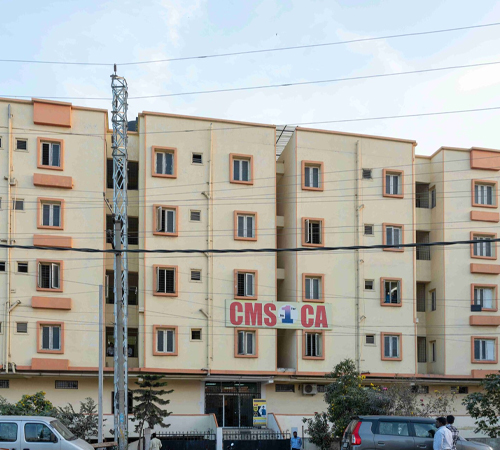
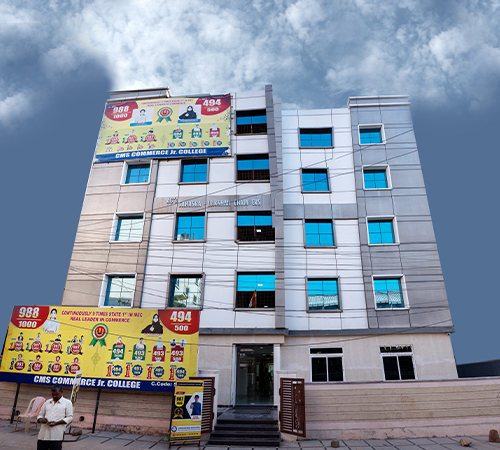
Our Branches Which Offer CEC + CUET

BACHUPALLY

(Exclusive Residential Campus for Boys)

JNTU Metro

(Day Scholar Campus)

KPHB (SONY Campus)

(Exclusive Residential Campus for Girls)

SR Nagar

(Day Scholar Campus)

Secunderabad

(Day Scholar Campus)

ECIL

(Day Scholar Campus)

Chikkadpally

(Day Scholar Campus)

Dilsukhnagar

(Day Scholar Campus)

Enroll now for Quality Education

Scroll to Top